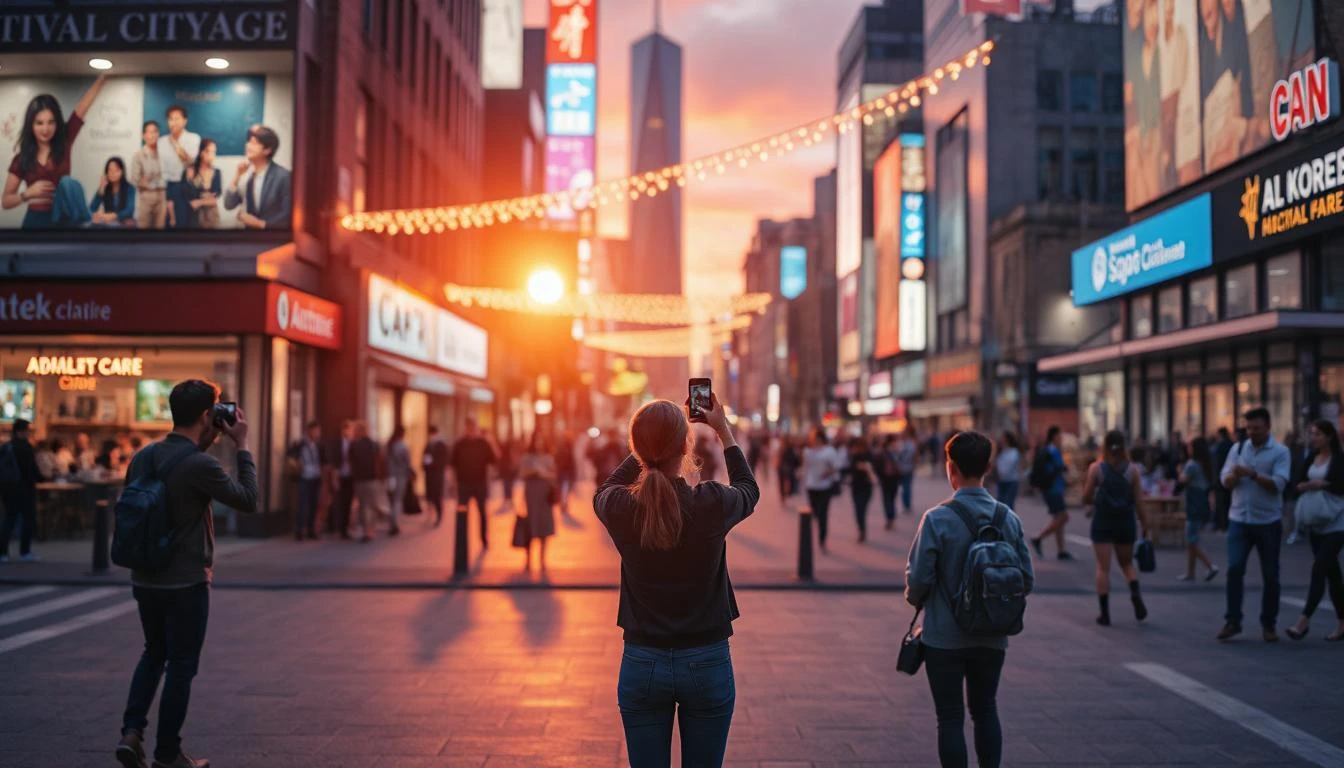
Culture Guide For Modern Travelers Today

Modern travel is no longer a simple escape from routine, it has evolved into a conscious journey where curiosity meets cultural awareness. Travelers today don’t just visit places, they interpret meanings, observe human behavior, and absorb global perspectives that shape how they see the world. Every destination becomes a living classroom, offering lessons that go far beyond sightseeing.
In this evolving landscape, modern travel culture insights have become essential for anyone who wants to travel with depth and awareness. These insights help you understand not only where you are going, but also how to behave, connect, and respect the cultural fabric of each place you enter.
Understanding Local Culture While Traveling
Travel is no longer about ticking destinations off a list. It is about understanding the invisible layers of human interaction that shape every society. When you begin to observe closely, you realize that culture is not just displayed, it is lived every second of the day. This is where cultural awareness becomes your most powerful travel tool.
Every gesture, word, and silence carries meaning, and learning to interpret them transforms your journey into something far more meaningful than tourism. After understanding this perspective, applying traveler cultural experience guide principles helps you navigate unfamiliar environments with respect and confidence, turning every interaction into a learning opportunity.
Respecting traditions and social customs
Respecting local traditions is not about memorizing rules but about observing how people naturally behave in their environment. In many Asian cultures, for example, modesty in behavior and dress is a silent form of respect. Meanwhile, in parts of Europe, punctuality reflects social awareness and professionalism. As cultural researcher Dr. Richard Lewin once said, “Respect in travel is measured not by intention, but by awareness of context.” This reminds travelers that small actions often carry the greatest cultural weight.
Learning basic local communication phrases
Language is more than communication, it is connection. Even a simple hello or thank you can change the atmosphere of an interaction. Locals often respond warmly when they see effort, even if pronunciation is imperfect. This creates an immediate bridge between traveler and host, making experiences more authentic and memorable.
Cultural etiquette in public places
Public behavior differs significantly across cultures, and misunderstanding it can lead to discomfort or miscommunication. For example, speaking softly in public transport in Japan reflects collective respect, while in other countries, open conversation is normal. Understanding these nuances ensures smoother experiences wherever you go.
Food and Lifestyle Experiences Abroad
Food is one of the most direct expressions of culture. It carries history, identity, and emotion in every bite. When you travel, tasting local cuisine is like reading a story written in flavor, texture, and tradition. Lifestyle habits also reveal how societies function on a daily basis. From morning routines to fashion choices, everything reflects cultural values that are often invisible to casual tourists.
Traditional cuisine and dining etiquette
Dining is not just about eating, it is about participating in cultural rituals. In some countries, meals are shared communally, while in others, individual portions reflect personal space. Understanding dining etiquette helps travelers show respect and fully enjoy the experience.
Local fashion and cultural identity
Clothing often represents identity, history, and even social hierarchy. Traditional garments such as the kimono in Japan or batik in Indonesia carry cultural symbolism that goes beyond aesthetics. As cultural anthropologist Maria Elena Cruz notes, “Fashion is the most visible language of cultural identity.”
Music and art reflecting regional heritage
Music and art serve as emotional archives of a society. Street performances, traditional dances, and local crafts all tell stories that textbooks cannot fully capture. Engaging with these expressions allows travelers to feel culture rather than just observe it.
Technology Connecting Travelers with Culture
Modern travel is deeply shaped by technology, making cultural exploration more accessible and interactive than ever before. Digital tools have removed barriers that once made cross-cultural communication difficult.
This digital transformation enhances the way travelers gather modern travel culture insights, allowing them to prepare, adapt, and engage with local environments more effectively. After all, technology is not replacing cultural experience, it is amplifying it.
Translation apps improving communication
Translation tools have become essential companions for travelers. They allow real-time understanding, reducing confusion and increasing confidence when interacting with locals.
Social media sharing cultural experiences
Social platforms allow travelers to document and share their journeys instantly. This creates a global conversation where cultural experiences are exchanged and appreciated across borders.
Online guides helping travelers adapt quickly
Digital guides offer practical information about customs, etiquette, and local tips. This helps travelers adjust quickly and avoid cultural misunderstandings.
Explore New Cultures and Travel with Confidence
True travel confidence comes from understanding, not certainty. When you approach a destination with openness, you allow yourself to learn instead of judge. This mindset transforms every trip into a meaningful exchange between cultures. By applying traveler cultural experience guide principles, you move beyond being a visitor and become a respectful participant in global diversity.
Every destination becomes a shared space of learning, connection, and reflection. As cultural historian James Holloway once said, “Travel is not about seeing the world, but about understanding your place within it.” This perspective reminds us that every journey has the potential to reshape how we see both others and ourselves.